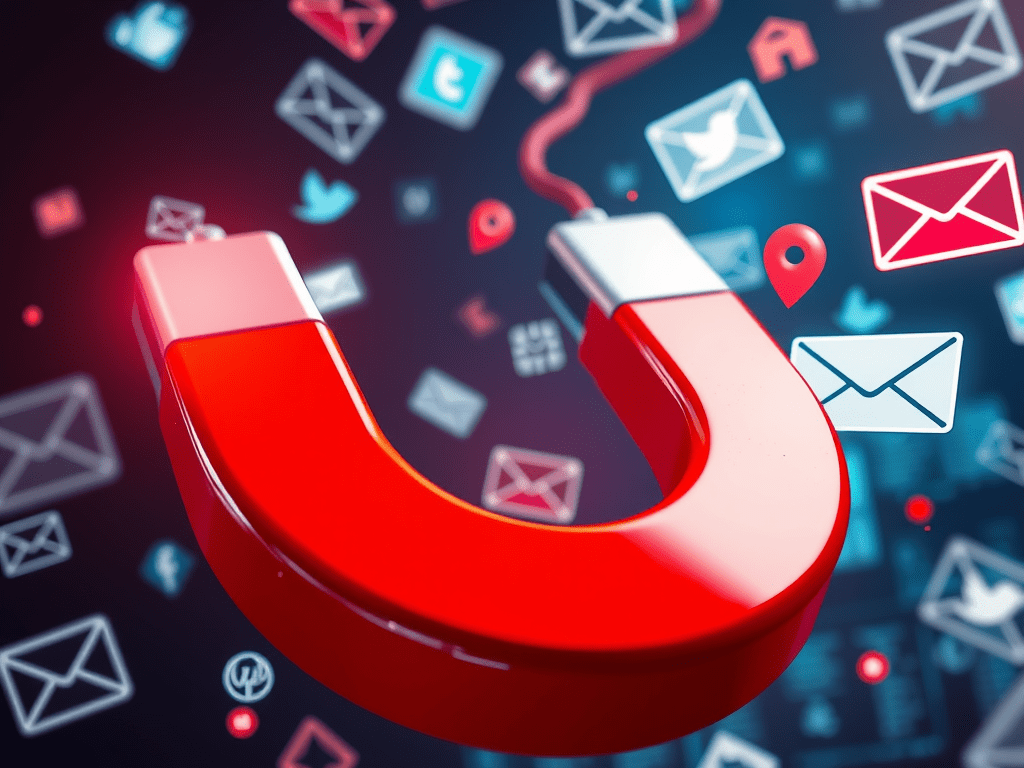
Grabbing your audience’s attention is the first—and arguably most important—step in digital marketing. In a world where people scroll through endless feeds and inboxes, a powerful hook can make all the difference between someone clicking to learn more or scrolling past your content.
This guide will introduce you to the concept of hooks, why they matter, and practical examples to get you started.
What is a Digital Marketing Hook?
A hook is a compelling opening statement or visual that immediately grabs your audience’s attention. It’s the “hook” that draws them into your content, whether it’s an email, social media post, or ad.
Why Do Hooks Matter?
- They stop the scroll. In fast-paced digital spaces, first impressions count.
- They set the tone. A good hook primes your audience for the message you’re about to deliver.
- They drive engagement. A compelling hook leads to clicks, reads, and shares.
5 Types of Digital Marketing Hooks (with Examples)
1. Curiosity Hooks
Appeal to your audience’s innate curiosity by posing a question or hinting at something they don’t know.
Examples:
- “What’s the one mistake 90% of marketers are making right now?”
- “You won’t believe what happened when we tried this email strategy.”
- “How did one small change increase conversions by 50%?”
2. Problem-Solution Hooks
Address a common pain point your audience faces, then hint at the solution your content provides.
Examples:
- “Struggling to grow your email list? Here’s what actually works.”
- “5 reasons your ads aren’t converting—and how to fix them today.”
- “Sick of low engagement? These tips will change everything.”
3. Statistical Hooks
Lead with a surprising or impactful statistic to grab attention and establish credibility.
Examples:
- “Did you know 72% of people ignore ads with generic headlines?”
- “Marketers who personalize emails see a 29% higher open rate. Are you doing it?”
- “In just 7 seconds, your audience decides whether to engage. Here’s how to win them over.”
4. Relatable Hooks
Start with a scenario your audience can identify with. This builds a connection and makes them more likely to engage.
Examples:
- “Ever spent hours crafting a social media post, only to get 3 likes? Let’s fix that.”
- “If you’ve ever wondered, ‘Why is my website traffic dropping?’—this is for you.”
- “We’ve all been there: a perfectly planned campaign flops. Here’s how to bounce back.”
5. Fear of Missing Out (FOMO) Hooks
Tap into the audience’s fear of missing out on something valuable or timely.
Examples:
- “Don’t miss this trend—here’s what’s reshaping digital marketing in 2024.”
- “Everyone’s talking about this strategy—and for good reason.”
- “Your competitors are already doing this. Are you?”
How to Craft the Perfect Hook
To create an effective hook:
- Test and Optimize: Experiment with different hooks to see what resonates best.
- Know Your Audience: Understand their pain points, goals, and interests.
- Keep It Short: Your hook should be concise and impactful.
- Be Specific: Vague hooks won’t grab attention. Be clear and direct.
Final Thoughts
Digital marketing hooks are more than just flashy headlines—they’re your gateway to meaningful engagement. By mastering the art of the hook, you’ll captivate your audience and set the stage for deeper connections and better results.
Now it’s your turn: Which type of hook will you try first? Share your thoughts in the comments or tag us in your next campaign—we’d love to see your creativity in action!




 Digital Trend Talks
Leave a comment